Prada Fall 2026: A Lesson in Layering
Fifteen models, four passes each, sixty looks — and a collection that undressed itself in public. Miuccia Prada and Raf Simons in Milan.
Most collections ask you to look at sixty different outfits. Prada's Fall 2026 show asked you to look at fifteen women changing their minds sixty times — which turns out to be a far more interesting proposition.
The Mechanics
On 26 February 2026, in the Deposito of the Fondazione Prada in Milan, Miuccia Prada and Raf Simons sent fifteen models out four times each. Sixty looks in total, built by adding and stripping layers pass by pass, so that the same woman returned progressively more — or less — assembled. Bella Hadid anchored the cast in what several outlets noted as her return to a Milan runway.
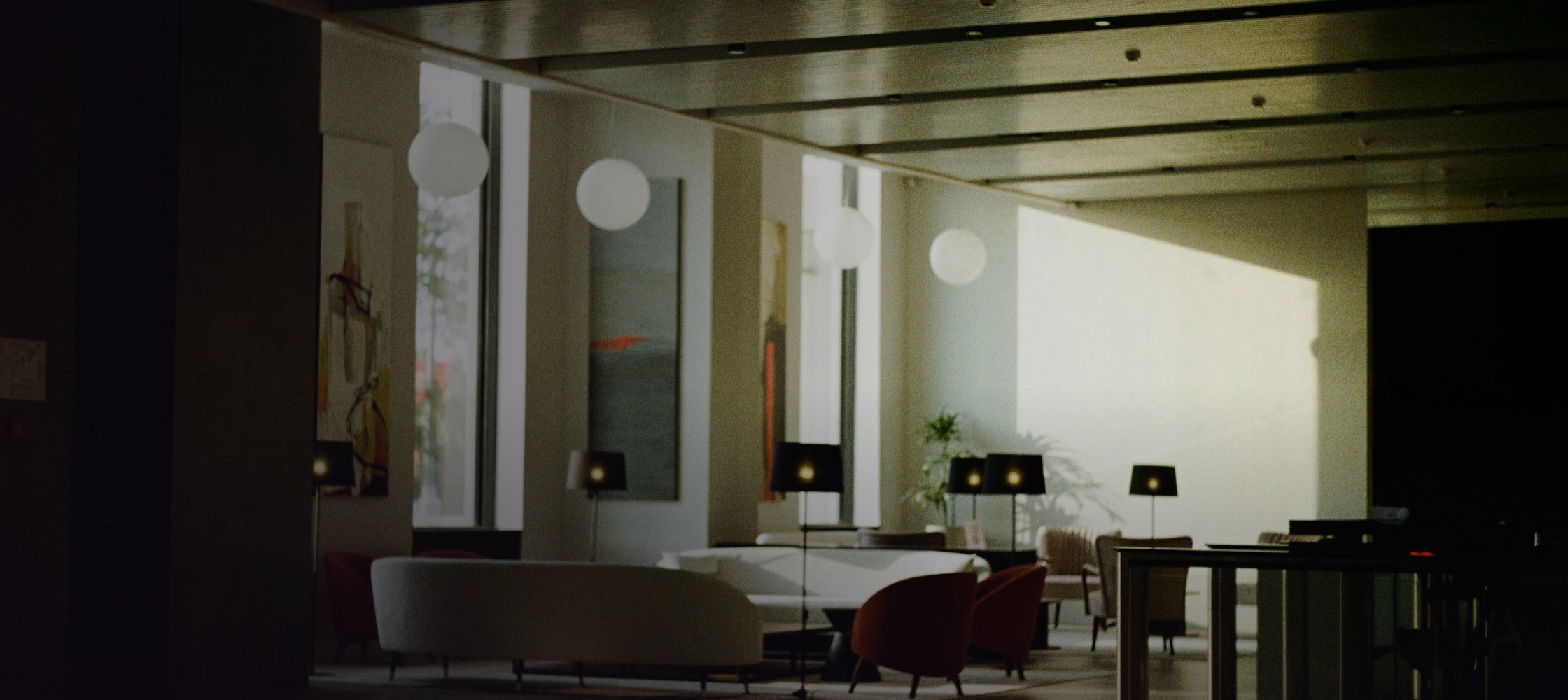
The set was the second argument. The Deposito had been dressed as a hollowed-out mansion — mouldings, colonial windows, marble fireplaces, pink and white boiserie set against exposed brick — and furnished with real objects spanning five centuries: a sixteenth-to-seventeenth-century tapestry and painting, eighteenth-century Venetian mirrors and consoles, chairs and lamps from the 1900s. A house assembled from centuries of other people's taste, for a collection about wearing several selves at once.
What They Said It Was About
The show notes described “a fascination with the process of layering, of transforming through the day, through your clothes,” and “an embrace of inherent pluralities, a reflection of the multifaceted realities of women and the complexities of life.” The line that stuck: within each look, we discover multitudes.
Speaking to press afterwards, Miuccia Prada put it more bluntly — the layering and un-layering expressed, as WWD reported it, “the continuous necessity of change.” She expanded on the thought elsewhere: the idea of layering complexity, which exists in history, in politics, in life, and which reflects in clothes; a woman living all those different moods and moments inside a single day.
It's a lot about the freedom to be inspired and to bring things together that feel contemporary to us.
— Raf Simons, speaking after the show
Simons was characteristically resistant to being pinned down, telling the Associated Press that he liked “the idea that there is a lot of things coming together that do not necessarily give you what you expect,” and that the work came “from the heart, from the mind, from the feeling, from our knowledge, from our respect for history and our interest in the future.” To Wallpaper* he was simpler still: it is about life, and how you dress each day with the clothes you have.
The Clothes
The method was decay used as a design tool. Superimposed materials were deliberately eaten away to reveal archival pieces embedded underneath. Embroideries were aged on purpose. Surfaces were faded to suggest a history the garment had not actually lived.
- Outerwear: tubular dress coats; crinkled trenchcoats opening onto checkered wool; roomy leather bombers worn over wrinkled shirts whose oversized French cuffs jutted out past the sleeve; barn jackets and wool overcoats lined with teardrop beads and clear crystals set to mimic rain.
- Surface: skirts and shift dresses moving from corroded black wool into blurred floral prints — the transition itself was the point.
- Silhouette: chunky knits over sheer knee-length skirts; Cowichan-style and Arctic cardigans; jagged “slasher” cuts exposing bright print underneath; sheer organza; ripped bodices over corset-like tops.
- Colour: black, grey and bright cotton tones, with cream, banker blue, red, lime green and beaded pastels.
The accessories did the loudest talking. WWD recorded polished alligator bucket and top-handle bags, and tall lace-up boots finished with beadwork or feather paving — knee-highs in pastel yellow and blue, coated in feathers. Kitten heels came dripping with crystals shaped like miniature chandeliers, worn over embellished socks; brogues arrived with contrasting laces and cartoon-floral hosiery.
The Verdict
Wallpaper*'s Jack Moss called it one of the most thrilling Prada shows of recent times. The Impression praised its refusal to rank high against low. WWD's Miles Socha admired it while keeping one eyebrow raised, signing off with a plea to hold the mess.
The reason it worked is that it inverted the usual runway contract. A fashion show normally presents finished thoughts. This one showed the working — the same woman, four times, never quite settled, which is a more honest account of how anyone actually gets dressed.
Where to Find It in Ireland
There is no Irish thread running through this show — no Irish model in the fifteen, no Irish press at the Deposito — and it would be dishonest to invent one. There is, however, exactly one place on the island to buy it: the Prada concession at Brown Thomas, 88–95 Grafton Street, Dublin, which carries women's ready-to-wear, bags, shoes and leather goods.
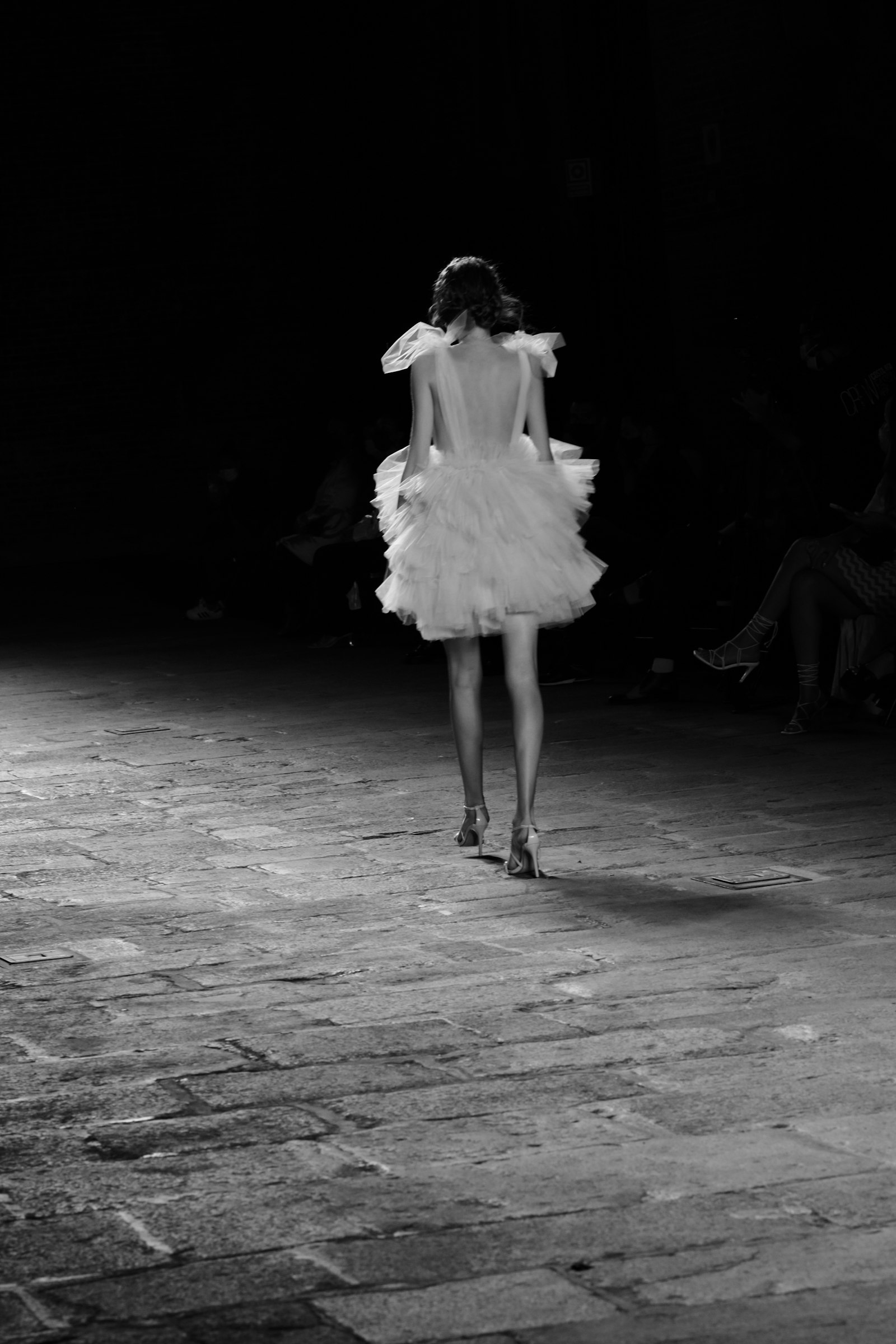
Hero photograph by Chalo Garcia on Unsplash.
You Might Also Like
The latest from The Moiré Edit.