Paris in the Off-Season: The Case for the City When Nobody Else Wants It
Skip the August crush and the spring queues. Paris in the quiet months is colder, cheaper, and somehow more itself.
Everyone wants Paris in spring, and Paris in spring knows it. The queues are long, the prices are high, and the city performs a slightly self-conscious version of itself. Go instead in the off-season — roughly January to March, that flat stretch after the festive lights come down — and you get something better: the real thing, with the crowds turned off.
Why the quiet months win
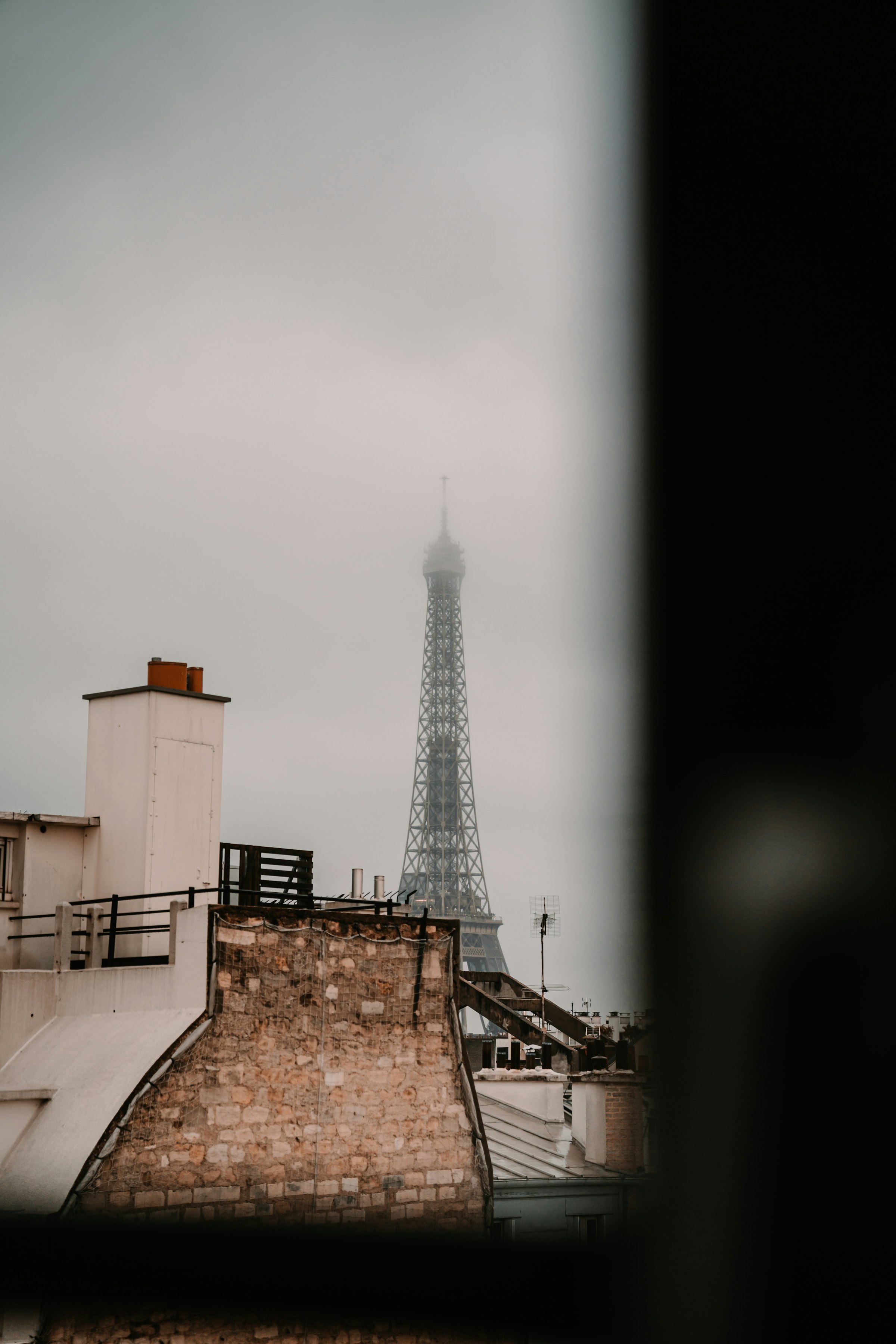
The great museums become navigable. You can stand in front of the Mona Lisa without a scrum, wander the Musée d'Orsay's Impressionist floor in near-solitude, and actually get a table at the café you read about. Hotels drop their rates. The light, low and silvery, is arguably more flattering to the limestone than high summer's glare. And a cold, grey Paris is an intensely romantic Paris — collars up, hands around a vin chaud, the city yours.
How to spend the days
Lean into interiors and indulgence. Long lunches that bleed into the afternoon. The covered passages of the 2nd arrondissement, built precisely for weather like this. Bookshops, the warm hush of Sainte-Chapelle, an afternoon lost in the Marais ducking between galleries and vintage shops. Save the open-air wandering for the bright crisp days that do appear — a walk along the Seine, the Tuileries empty and architectural, Montmartre without the summer scrum.
Eat and stay warm
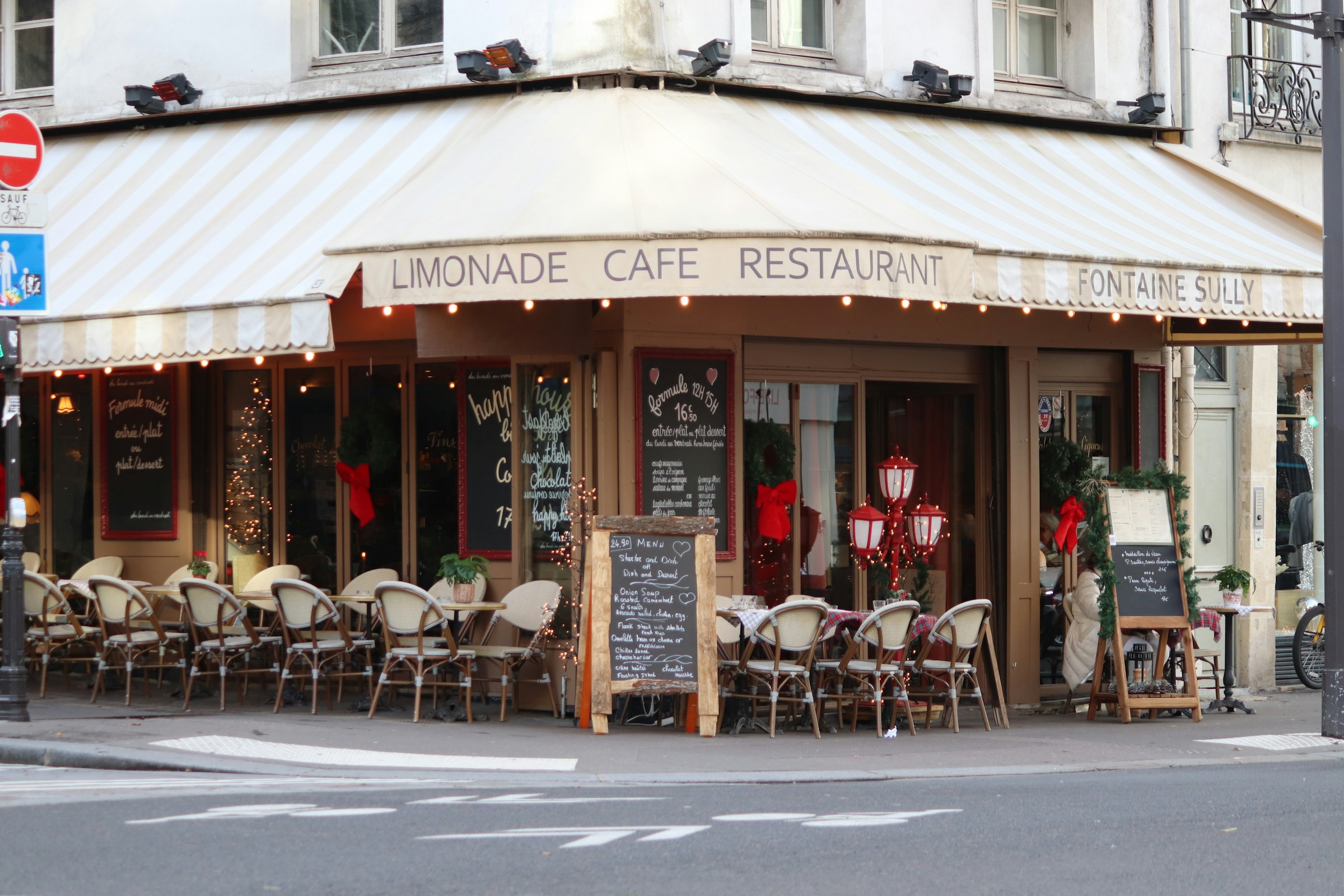
This is soup, steak frites and onion-soup weather, and Paris excels at all three. Book the bistro that's impossible in June. Choose a hotel in the Marais or the Left Bank so everything is walkable, and build your day around two unhurried meals with wandering in between. Off-season Paris is not a city to conquer; it's a city to inhabit.
A cold, grey Paris is an intensely romantic Paris — collars up, and the city finally yours.
The verdict
Come in the cold months for the version of Paris that locals quietly prefer: cheaper, calmer, and far more willing to let you in.
You Might Also Like
The latest from The Moiré Edit.