Max Mara in Shanghai: The House That Went East
Every other mega-house took Cruise 2027 west. Max Mara marked its 75th birthday in a brutalist Shanghai museum, with an entirely Asian cast and a coat as the argument.
The Cruise 2027 season was a westward migration. Chanel went to Biarritz, then Dior to Los Angeles, Gucci to Times Square, Louis Vuitton to the Frick. Max Mara went the other way — and got the most interesting show of the lot out of it.
The Show
On the rainy evening of Tuesday 16 June 2026, at the Long Museum West Bund in Shanghai, Max Mara presented Kinetic Chic, its Resort 2027 collection, marking the house's 75th anniversary. Ian Griffiths, who joined the company in 1987, designed it.
Get the date right if you write about this: several outlets print 17 or 18 June. Those are publication dates and the exhibition opening. The house's own announcement named Tuesday 16 June, and 16 June 2026 was indeed a Tuesday.
The Argument
Griffiths trained as an architect, and it shows in how he talks about outerwear. To Georgie McCourt of Marie Claire Australia, interviewed the day before the show:
A coat is the nearest thing you have to a house. It provides shelter. Warmth. Comfort. Protection. But it's also a prestige item that communicates something about the person wearing it.
And, more memorably: “People have favourite coats. They don't usually have favourite skirts.”
On why Shanghai, he borrowed a line from Patricia Marx — “New York may be the city that never sleeps, but Shanghai doesn't even sit down” — and set out the tonal shift from his previous collection: “The previous collection was slightly more dystopian. This one is much more optimistic.”
He was careful, too, about the language houses usually reach for. Speaking to Godfrey Deeny: “I never say Max Mara empowers women because that's very patronizing, especially coming from a man.”
The Clothes
Outerwear was the spine. Deeny catalogued coats running “from flowing plenipotentiary lapel-free looks to the star of the show, The Teddy Coat — an enveloping knubby wool coat that came in multiple colors such as burgundy, russet, beige and brine.”
- Key looks: a sweeping scarlet teddy coat over a liquid sequinned dress in the same red; oversized cocoon coats in electric cobalt; ivory shearling wraps; olive military outerwear; burgundy double-breasted suiting.
- Palette: camel, cognac, khaki, champagne, black, white and the house red, with saturated yellow and cobalt accents.
- Accessories: oversized ribbed obi belts wrapping jackets in place of conventional fastenings.
- Glamour as daywear: paillettes on sweaters, pencil skirts and separates rather than gowns.
The Chinese references were handled as dialogue rather than costume: a stretch merino cheongsam, a quilted silk jacket, a white poplin shirt fastened with pankou toggles, and reds that Deeny noted as “a favorite Chinese color”.
For the anniversary, three archival coats — the Meridian, the Millenia and the Metric — were remade in featherweight cashmere at their original proportions, limited to 200 examples each and supplied with the original sketch.
The Room, and the Casting
The Long Museum West Bund is a converted industrial warehouse by Liu Yichun of Atelier Deshaus — raw concrete, exactly the contrast Griffiths wanted. “Personally, I think there's something essential and beautiful about the contrast between a cashmere coat and a brutalist concrete structure,” he told Deeny.
The runway ran alongside The Max!, a 75th-anniversary exhibition curated by Olivier Saillard, open 17–28 June: nine thematic rooms, industrial crates as vitrines, Gae Aulenti's Pipistrello lamp from the company's first Milan office of 1964, and founder Achille Maramotti's original sewing machine.
The most reportable decision was the casting. Forty-one models, an entirely Asian cast. Houses stage destination shows in Asia all the time; casting one this way is a different and more substantial gesture.
The Verdict — From an Armagh Man
The sharpest review of this show was written by an Irishman. Godfrey Deeny — born in Armagh, from Lurgan, educated at Clongowes, global editor-in-chief of FashionNetwork, fashion editor-at-large at Le Figaro, and the only Irish editor Vogue Hommes has ever had — filed this:
Quietly and relatively under the radar, Griffiths has become the most successful English fashion designer in Continental Europe. And this perfectly judged show made clear the reason for his success.
In Marie Claire Australia, McCourt found a collection “confident, intellectually rigorous and refreshingly free from the fashion industry's current obsession with spectacle” — which, in a season of Cadillacs and Times Square shutdowns, reads as a deliberate contrast.
No Irish model walked and no Irish guest was named in the front row. The Irish presence here was a critic in a seat — which, on the evidence of what he wrote, was the more useful of the two.
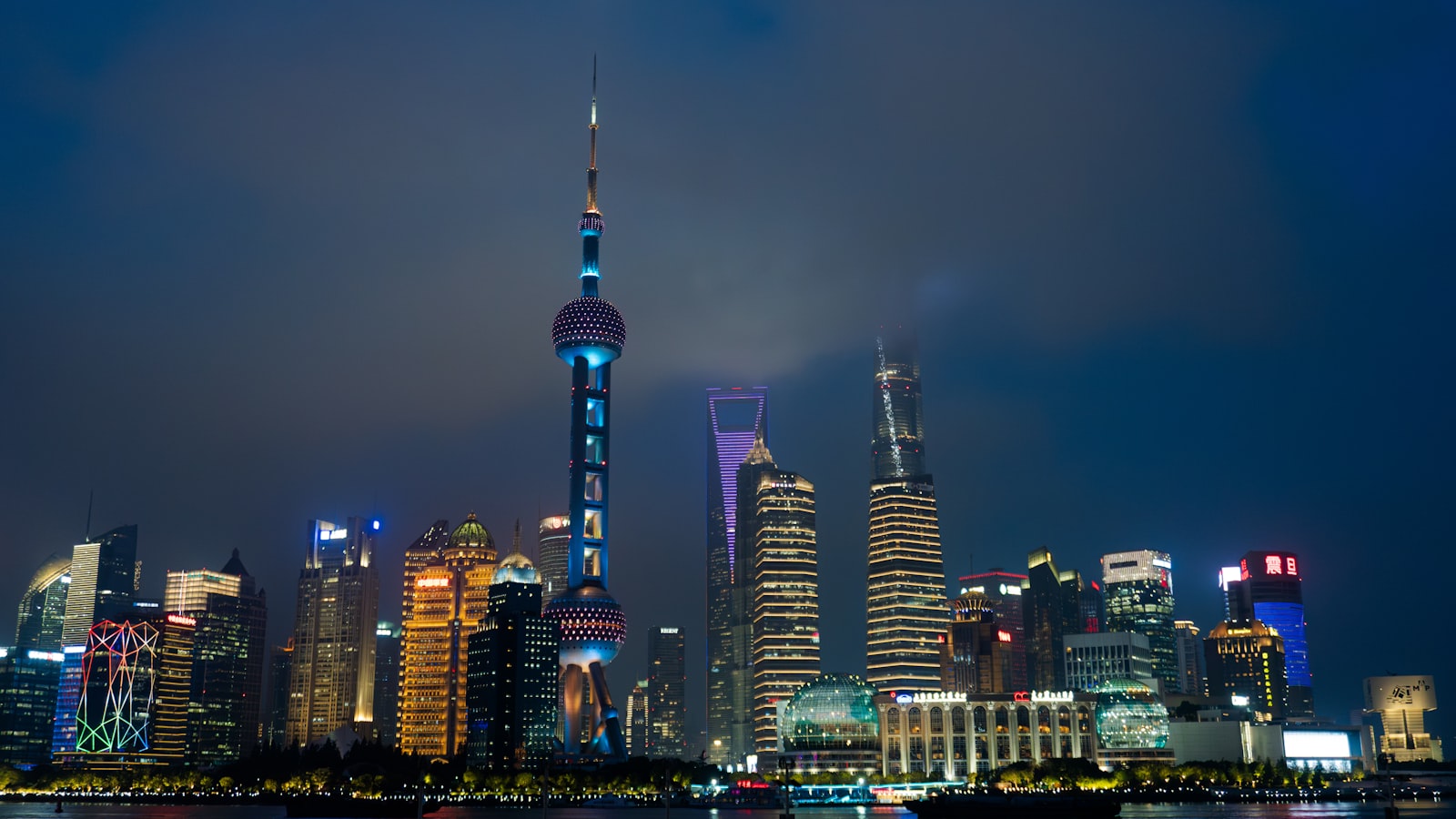
Hero photograph by Roger Goh on Unsplash. It illustrates the article and is not from the show.
You Might Also Like
The latest from The Moiré Edit.