The Irish Interior in 2026: Warmth, Texture and the End of Grey
The all-grey era is finally over. Inside the Irish home of 2026 — earthy colour, natural materials, and rooms built to be lived in rather than photographed.
For roughly a decade, the Irish home went grey. Grey walls, grey sofas, grey everything, all of it lit like an estate-agent's listing. In 2026, that's done — and what's replacing it is far more interesting: rooms with warmth, depth and a pulse.
Colour comes home
The dominant move is back toward earth. Think clay, ochre, olive, oxblood, deep terracotta and the soft browns we spent years pretending we'd outgrown. These are colours that flatter Irish light — which is, let's be honest, often low and grey itself — and they make a room feel held rather than clinical. Painted period doors, colour-drenched snugs and a single moody dining room are the gateway drugs.
Materials you can feel
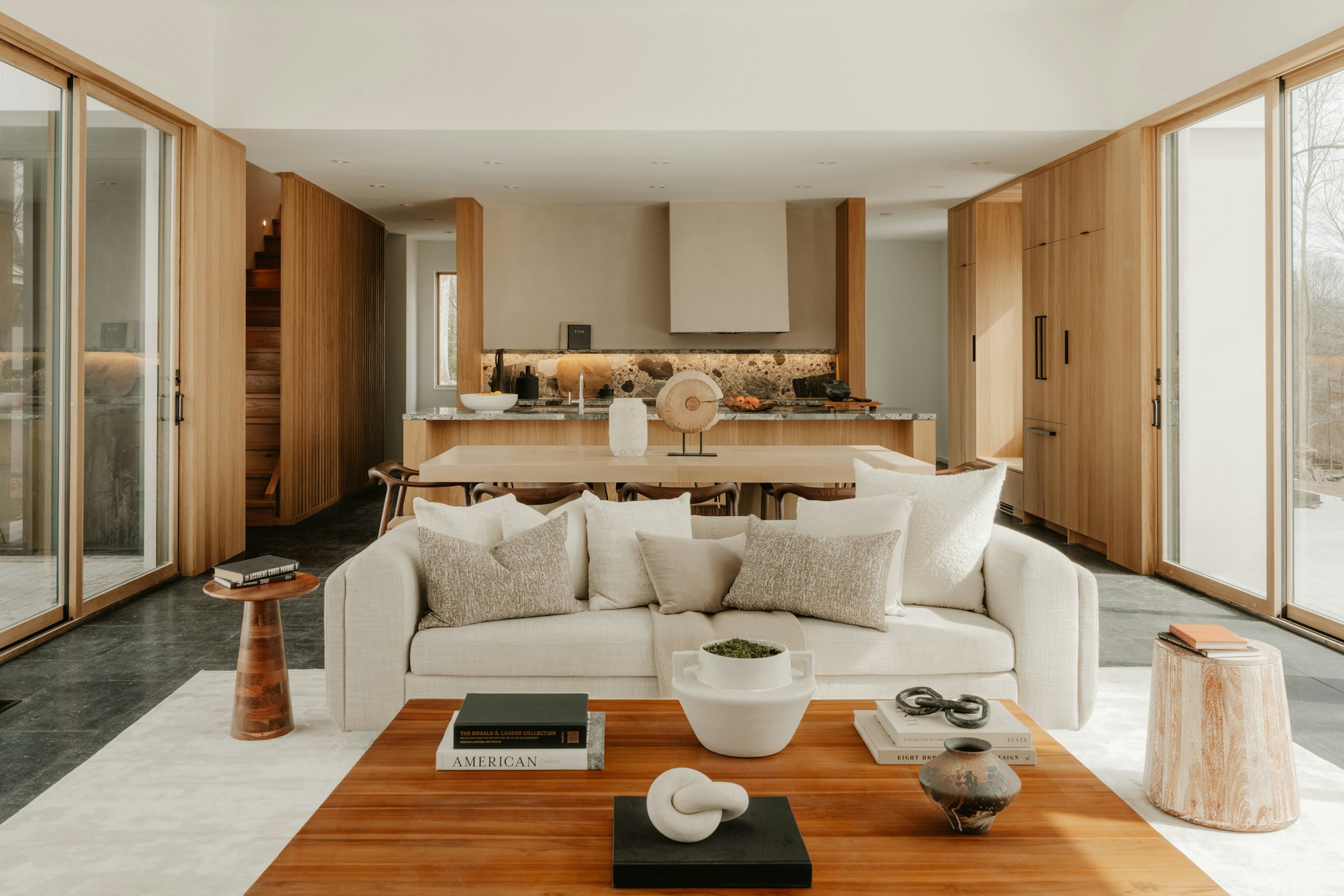
If grey was about surface, 2026 is about texture. Natural materials are doing the heavy lifting: solid timber, wool, linen, rattan, unlacquered brass that's allowed to age, stone that shows its grain. The throughline is honesty — materials that look better with use, not worse. It's the interiors expression of the same instinct driving quiet luxury in fashion: buy well, choose natural, let it patina.

The Irish home is being designed to be used again — arranged for conversation rather than for the camera.
The lived-in rule
The biggest shift is philosophical. The Irish home is being designed to be used again — books out, art hung at eye level, a fire that actually gets lit, furniture arranged for conversation rather than for the camera. Open-plan is softening into "broken plan," with nooks and snugs carved back in, because nobody actually wants to live in one enormous echoing box.
The verdict
The 2026 Irish interior is warmer, braver and considerably more personal than the decade that preceded it. Paint something a deep colour, buy one beautiful natural-material piece that'll outlive the trend, and light the fire.
You Might Also Like
The latest from The Moiré Edit.