Eileen Gray: The Irish Designer Who Quietly Invented the Modern Home
She was decades ahead of every man who got the credit. A look at the Wexford-born modernist whose furniture still defines what "timeless" means.
Ask most people to name a great Irish designer and you'll get a pause. Ask a design curator and you'll get one name instantly: Eileen Gray. Born near Enniscorthy, County Wexford, in 1878, she became one of the most important figures of the modern movement — and one of the most criminally overlooked in her own lifetime.
Lacquer, then architecture
Gray began in lacquer, an exacting craft she learned to a near-obsessive standard in Paris, producing screens and panels of extraordinary depth. From there she moved into furniture and then, remarkably for a self-taught woman in the 1920s, into architecture. Her masterpiece, the villa E-1027 on the French Riviera (built 1926–29), is now recognised as a landmark of modernist design — though for years its authorship was wrongly absorbed into the legend of male contemporaries.
The pieces you already know
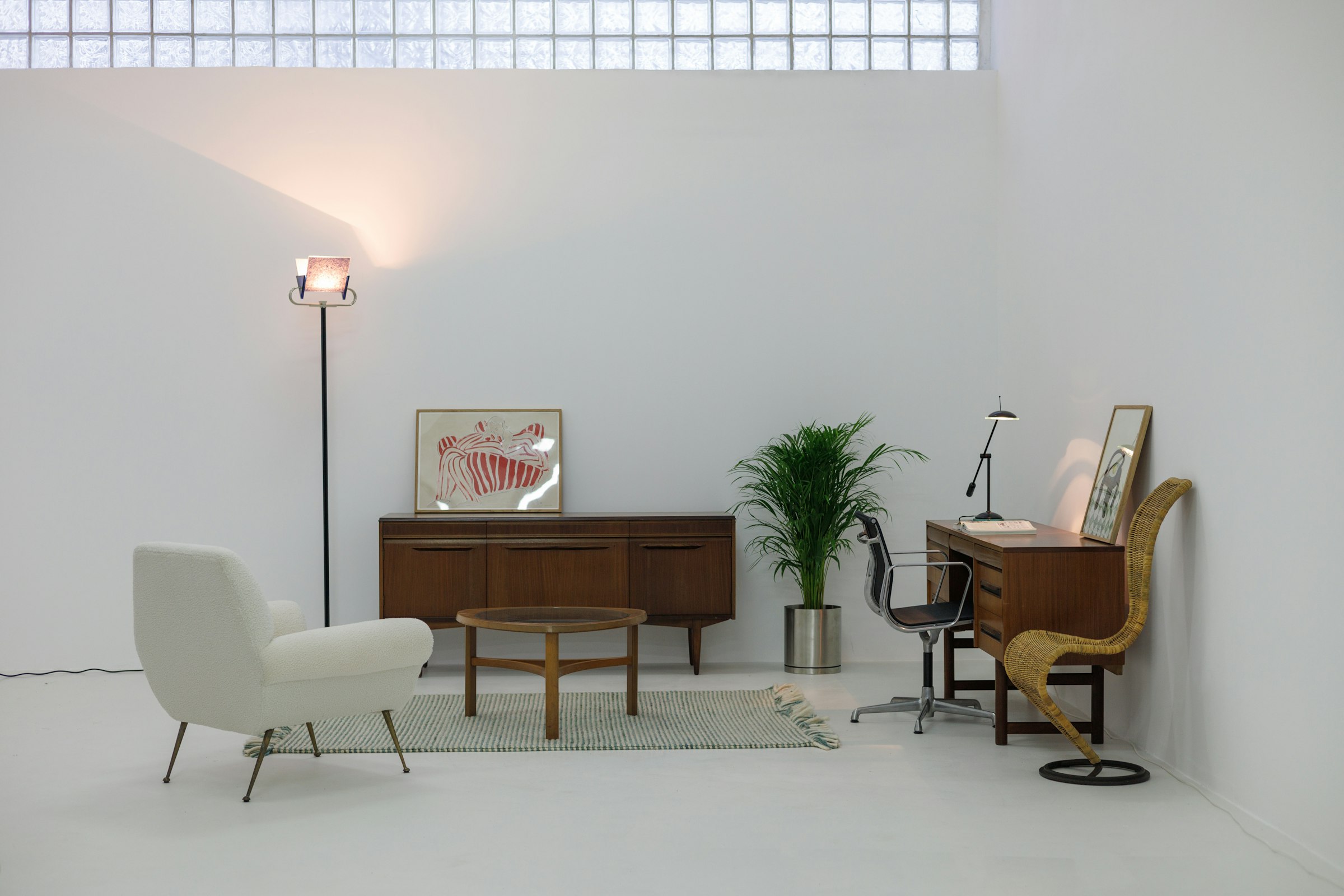
You have almost certainly seen her work without knowing it. The E-1027 table — that simple chrome-and-glass adjustable side table designed so her sister could have breakfast in bed — is in production to this day and in design collections worldwide. The Bibendum chair, plump and witty, and the Dragons armchair (which set an auction record when it sold from Yves Saint Laurent's collection) confirm a designer working at the absolute front of her field.
Why she matters now
Gray's genius was restraint with warmth — clean lines that never tipped into cold, function that never forgot the human using it. In an era rediscovering exactly those values, she reads as startlingly contemporary. That she was Irish, female and largely uncredited for decades only sharpens the point.
One of the most important figures of the modern movement — and one of the most criminally overlooked in her own lifetime.
The verdict
Eileen Gray is the quiet-luxury designer before the phrase existed: nothing showy, nothing wasted, everything built to last a century. Ireland should claim her far more loudly than it does.
You Might Also Like
The latest from The Moiré Edit.