The Botox Edit: An Honest Look at Ireland's Favourite Tweakment
Ireland makes most of the world's Botox — and is using more of it than ever. The why, the upside, the risks, the real prices, and how to find safe hands.
Few beauty subjects are whispered about quite as much as Botox. It's everywhere and nowhere at once — enormously common, rarely admitted to, and surrounded by equal parts evangelism and snobbery. So let's talk about it honestly: what it is, why so many people quietly do it, what it genuinely does for you, what it can do to you, what it costs, and how to find someone you can trust.
Ireland: the Botox capital of the world
Here's a fact most people don't know: Ireland makes most of the world's Botox. The pharmaceutical company Allergan has manufactured it in Westport, Co. Mayo since 1977, and the plant is estimated to produce around 80 per cent of global supply, shipping to dozens of countries from a town of just a few thousand people. Allergan was bought by AbbVie in 2020 in a deal worth tens of billions. So when Ireland talks about Botox, it isn't an idle interest — it's practically a local industry.

Why so many people do it
The honest answer is variety. Some want to soften the lines that bother them — the frown between the brows, the forehead, the crow's feet. Many now come before the lines set in, treating it as prevention rather than correction. A lot of it is simply confidence: looking as rested as you feel. The pandemic's “Zoom boom” of staring at our own faces accelerated all of it, and the demographic has widened sharply. Men are now the fastest-growing group — the so-called “Brotox” trend — with leading clinics reporting double-digit jumps in male clients, many of them in their twenties and thirties.
The upside
Done well and conservatively, Botox softens rather than freezes — the goal of any good injector is for you to still look like you, just less tired. Beyond the cosmetic, it has genuinely useful medical applications: it's a licensed treatment for chronic migraine, for hyperhidrosis (excessive sweating), and for bruxism — jaw clenching and grinding — where treating the masseter muscle can both ease pain and slim a heavy jawline. It's quick, the downtime is minimal, and crucially it isn't permanent: results last roughly three to four months, so if you don't like it, you simply stop.
The downside
It is, however, a medical procedure, and it deserves to be treated like one. Common short-term side effects include bruising, redness and the odd headache. Poorly placed injections can cause a drooping eyelid or brow, asymmetry, or the dreaded frozen, expressionless look that gives the whole thing its bad name. There's the cost and commitment of maintaining it several times a year, and a real cultural conversation to be had about pressure, normalisation and people starting very young. And then there's the elephant in the room: regulation.
Men are now the fastest-growing group — the so-called “Brotox” trend — with clinics reporting double-digit jumps in male clients.
The regulation problem
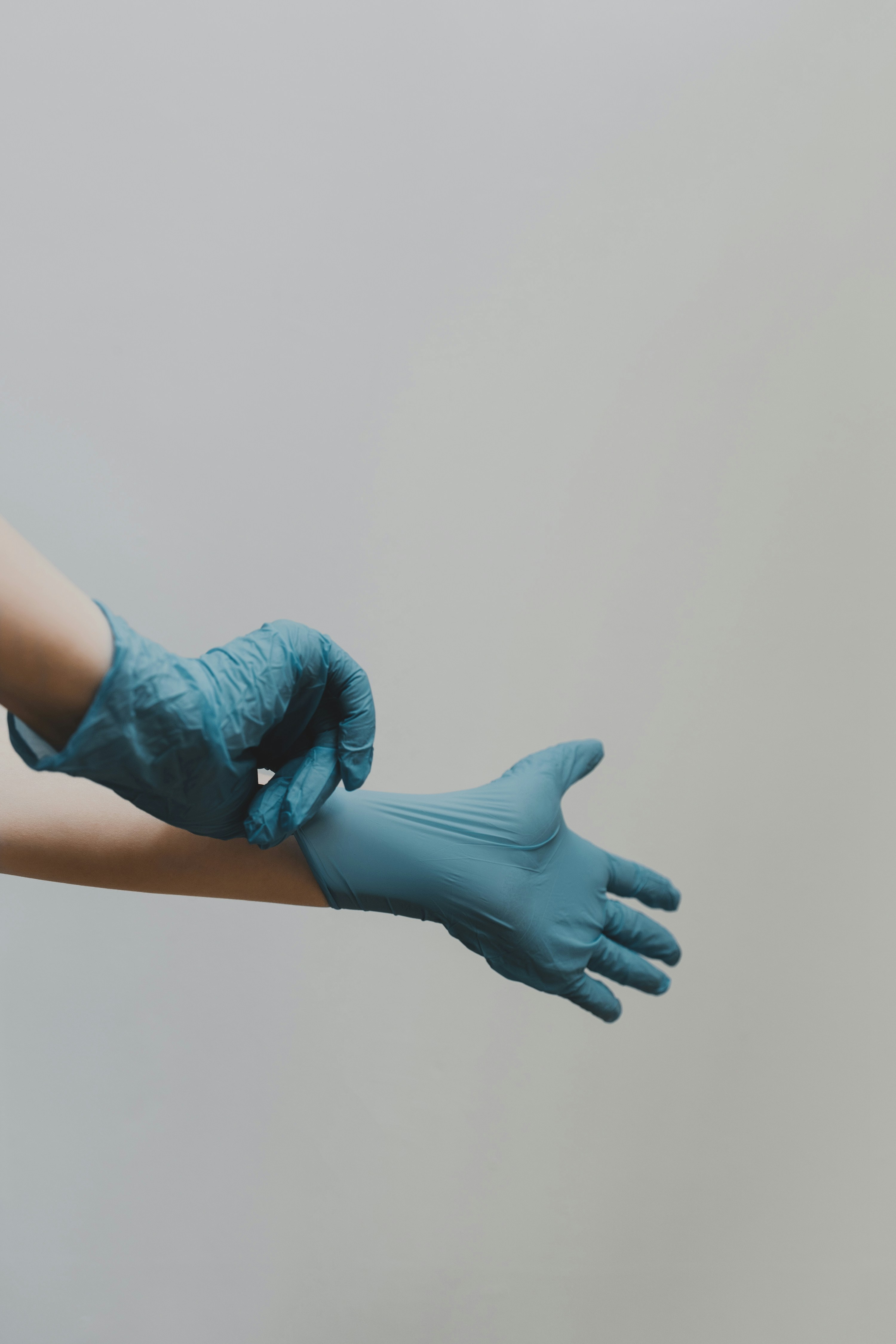
In Ireland, Botox is a prescription-only medicine, and by law it can only be administered by a doctor, a dentist, or a registered nurse working under a doctor's direction. That's the good news. The bad news, exposed in an RTÉ Investigates documentary, is how often those rules are flouted — prescription product moving through salons and across the border, and unqualified people injecting. Dermal filler muddies it further: because filler is classed as a medical device rather than a medicine, almost anyone can legally inject it. The Government has said stronger laws are being prepared, but for now the responsibility falls heavily on you to choose properly.
What it costs
In Ireland, expect to pay roughly €150 to €250 for a single area, with most reputable clinics pricing multi-area packages around €300 to €450 — a popular three-area package sits near the €300 mark, while specialist work like masseter (jaw) treatment runs to around €500. In Northern Ireland and the UK, prices often start near £180. At the very top of the European market — a marquee Harley Street or Paris name — you can pay several times that, which buys you experience and reputation rather than a different molecule. If a price looks too good to be true, treat it as the warning it is.
The safe hands
The single most important decision is who holds the needle. In Ireland, look to established, doctor-led clinics: names like Sisu Clinic, Thérapie Clinic, Amara, the Fitzgerald Private Clinic, and practitioners such as Dr Mark Hamilton in Dublin and Galway are among those with serious reputations. Across Europe, the names that command genuine respect include the Paris-and-London legend Dr Jean-Louis Sebagh, Harley Street's Dr Galyna Selezneva and Dr Ariel Haus, French pioneer Dr Jules Nabet, and Dr Leah Totton in London. These are illustrative rather than a ranking — the point is the calibre and the credentials, not the postcode.
How to choose well
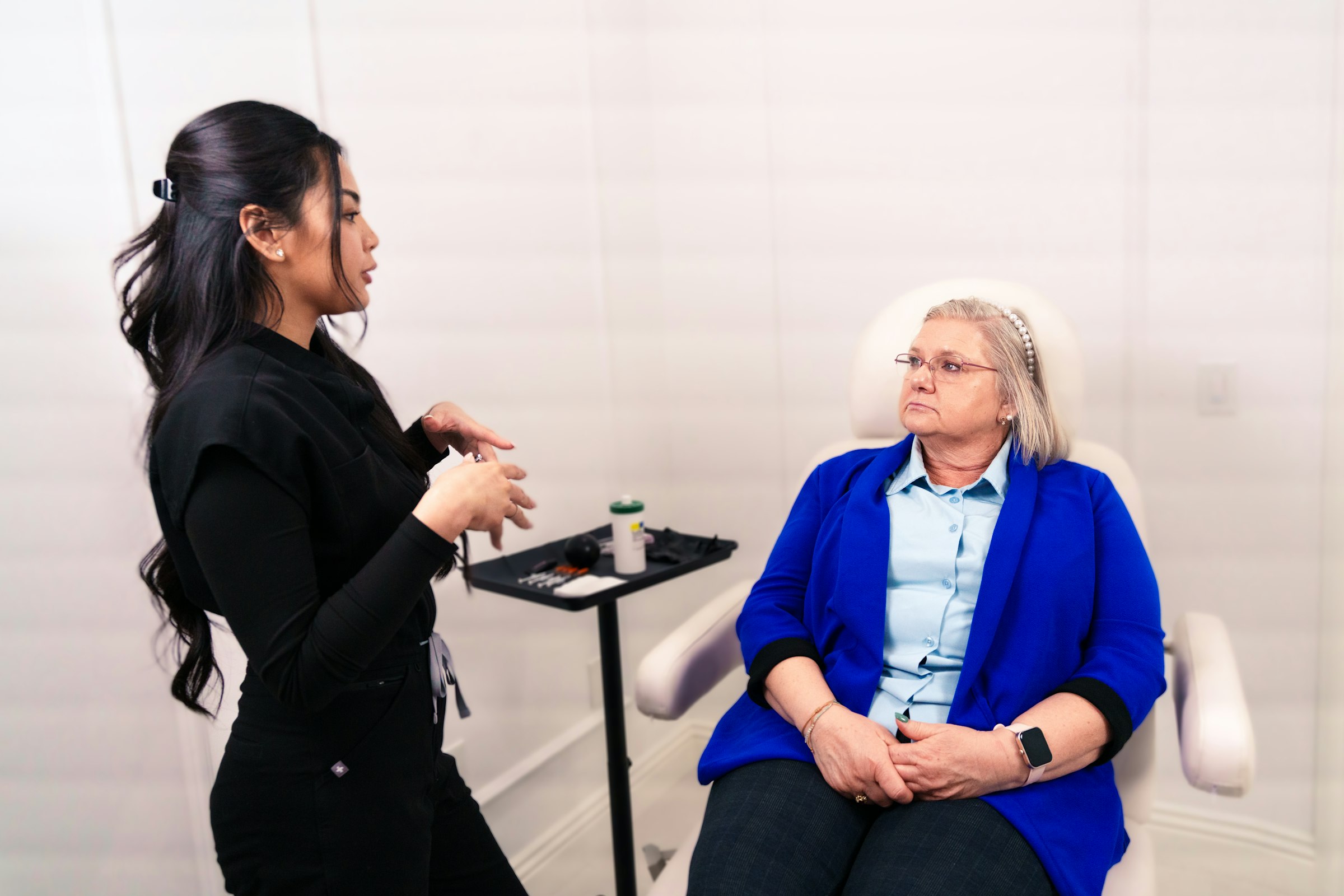
Insist on a proper consultation with a registered medical professional, and check that registration yourself. Ask what product is being used and who is prescribing it. Start conservatively — you can always add more, but you can't remove what's been injected, you can only wait for it to wear off. A good injector will happily talk you out of doing too much; be suspicious of anyone who won't.
The verdict
Botox isn't a moral question, it's a medical one. Approached sensibly — the right reasons, realistic expectations, and unquestionably qualified hands — it can be a small, subtle confidence boost. Approached carelessly, it's a prescription drug in the wrong hands. Choose the former, every time.
This piece is editorial and not medical advice. Botox is a prescription-only medicine; always consult a qualified, registered medical professional before any treatment.
Photographs by Sum Sum, Houcine Ncib and Clay Banks on Unsplash.
You Might Also Like
The latest from The Moiré Edit.